
existential threat

Posts
1546Following
104Followers
111theyre inventing a new kind of terrorist
 xnfm adjacent
 unlicensed legal counsel of las pingas hermanas

existential threat
ikeWren
dead internet theory dead world theory it's all a psyop to make you feel alienated from everyone around you and withdraw from the world and it's working
 3
3
 0
0
 2
2
existential threat
repeated
repeated

elizabeth worm🔅
lizzie@brain.worm.pink
guy who thinks chinese local governments are trying to turn people into don quixote
 2
3
8
2
3
8
existential threat
ikeWren
i fucking love dipping my hands in caustic chemicals fuck yes i love it so much
0
0
0
existential threat
repeated
repeated




existential threat
repeated
repeated




existential threat
repeated
repeated

im too fucking stoned i just called a thousand plateaus "green"
because there's green on the cover and i couldnt come up w the title as im staring right at it i just called this shit "green"
the green book by muammar deleuze and félix gaddafi
because there's green on the cover and i couldnt come up w the title as im staring right at it i just called this shit "green"
the green book by muammar deleuze and félix gaddafi
3
9
17
existential threat
repeated
repeated

existential threat
repeated
repeated


existential threat
repeated
repeated


existential threat
repeated
repeated
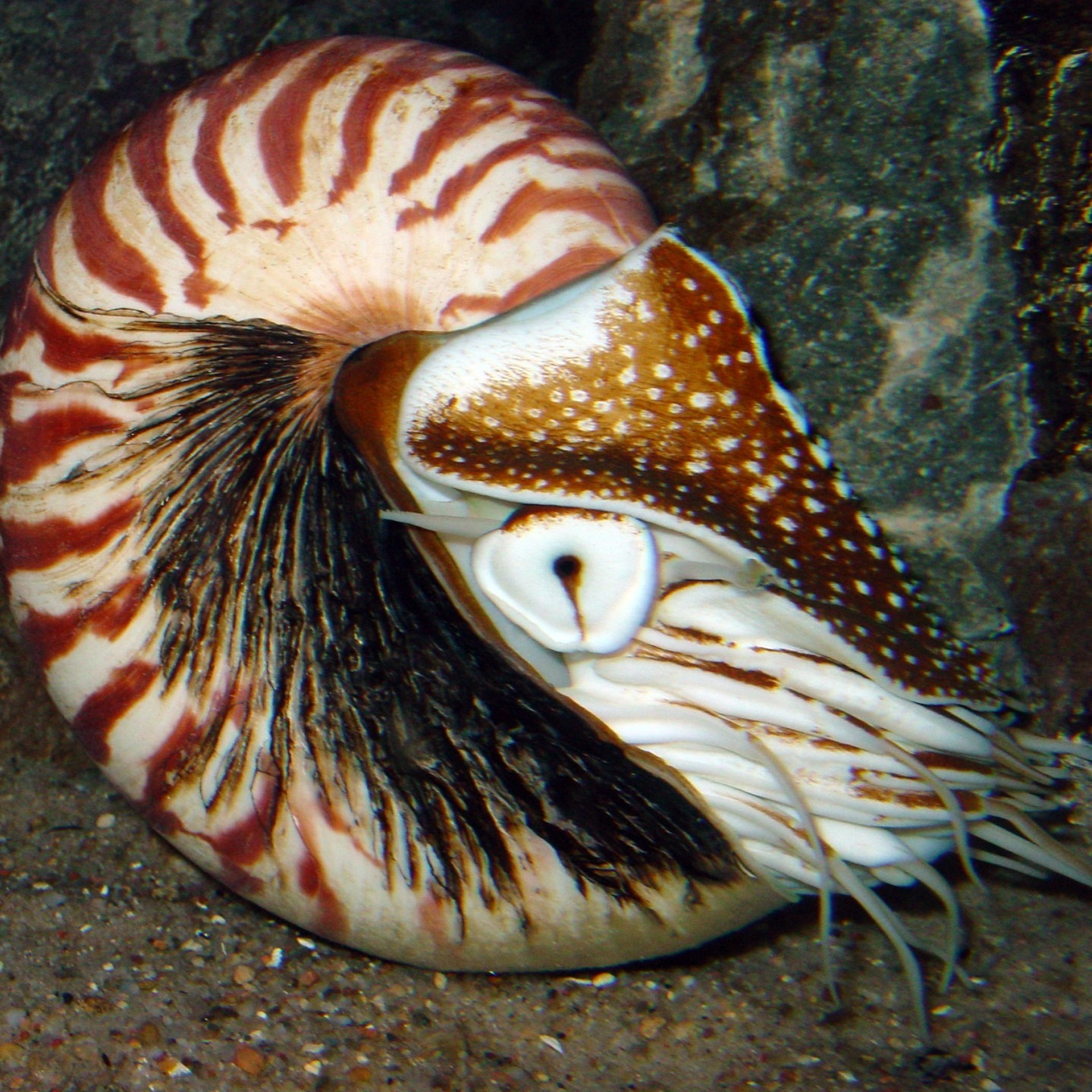
nautilus
nautilus
never forget that you are your own data center. drink plenty of water and consume as much literature as possible.
2
86
117
existential threat
repeated
repeated


existential threat
repeated
repeated

enargeia
detondev@social.linux.pizza
Edited 10 months ago
𓁿 𓉩 𓊲 𓀬 𓇽 𓅽 𓎩 𓇇
when i was 12 i fantasized abt making a roguelike using hieroglyph unicode instead of ascii, thinking itd lean into some sorta farming lifesim thing, or go all in on depicting a journey thru death as close to the mythology as wasnt boring, or put the two together for a transition after u die. i havent been super tapped into the roguelike scene like i used to be, does anything remotely like this exist?
𓈋𓈋𓈋𓈏𓈋𓈋
𓈖𓈄𓈏𓇾𓉐𓈋
𓈖𓊛𓀛𓇿𓇿𓇿
𓈖𓈘𓈘𓈘𓈘𓈘
𓈄𓇇𓇿𓈋𓈋𓈏
0
2
11
existential threat
ikeWren
America fucking sucks. We’re fat, lazy people. The president is terrible, the president before him was terrible, healthcare costs way too much money, we’re racist, sexist, homophobic, we kill each other, we vape, Americans are just terrible people and I don’t wanna associate myself with them any more.
0
0
0
existential threat
ikeWren
(guy who forgot the acronym for hot allostatic load) dude they hdg'd her
0
0
2
existential threat
repeated
repeated



existential threat
repeated
repeated
Big Beautiful Bataillean 
risperdoll@social.xenofem.me
climatic cataclysm coming concretely creating crazed cathecti; dreary drumming daily discourse dilating disturbance, distributing dread; ecological emaciation ebulliently enforced, exactly esoteric; fishery fleeing fro, freezing freedom flying froth;
gloomy glial globs going greasy granting grey ghosts grand gambol; hellish hearts hurrying hasteward hatefully;
intellectual involution involuntarily incarcerating in immanentized inferno; jolly jowls justifying jugular jukes, jovian jingos; killer kittens klaxoning kith-kin - kites kestrels kenning kratos.
gloomy glial globs going greasy granting grey ghosts grand gambol; hellish hearts hurrying hasteward hatefully;
intellectual involution involuntarily incarcerating in immanentized inferno; jolly jowls justifying jugular jukes, jovian jingos; killer kittens klaxoning kith-kin - kites kestrels kenning kratos.
2
1
3